
About Us

Alexandra Duke, DNP, RN-BC, CEN, CHSE, CNE®cl, EBP-C
Director and Faculty
(424) 422-5903
Dr. Alexandra Duke is a DNP nurse leader with clinical specialties and national certifications in emergency and medical-surgical nursing. Additional areas of expertise include evidence-based practice, academic clinical nursing education, and healthcare simulation. In her former roles, she worked as a Nursing Education Consultant for the California State Board of Registered Nursing and an accreditor for the American Nurse’s Credentialing Center (ANCC) for accreditation review of nurse residency programs across the country.
As a Certified Nurse Educator, having taught across various programs and levels of nursing education, Dr. Duke seeks to respond to complexities in higher education by leveraging liberal arts strengths in programmatic evaluation, innovative curricular practices, analytical methods, and clinical scholarship. Additionally, she is established as an esteemed leader, mentor, and advocate for quality and excellence in nursing education. Her career is dedicated to generating knowledge to support the work of nursing institutions and regulatory agencies in translating evidence to prepare future generation nurses—research interests and scholarship center on developing scientific pathways to bridge intersections between nursing regulation and education.
In 2021, Dr. Duke joined the University of California, San Francisco (UCSF) faculty in the DNP program. She has taught various online courses and served as chair and co-chair on DNP projects spanning diverse phenomena, including topics focusing on protocol development for tick-borne disease specialists, stress reduction initiatives for critical care nurses, provider knowledge, attitudes, and confidence regarding accelerated diagnostic protocols, and anesthesia considerations for chronic marijuana clients in surgical settings. Dr. Duke is an advocate and a strong proponent of DNP education and believes DNP graduates are positioned to interface with diverse constituents across systems within the breadth and depth of their dynamic roles.

KT Waxman, DNP, MBA, RN, CNL, CHSE, CENP, FAONL, FSSH, FAAN
Founder and Strategic Advisor
Dr. KT Waxman is an international nurse leader, professor, and the Director of the Doctor of Nursing Practice (DNP) program at the University of California, San Francisco, School of Nursing. She is the founding member of the California Simulation Alliance and the Western States Simulation Alliance (WSSA) and currently serves in the role as strategic advisor. She is a past president of the Society for Simulation in Healthcare.
Faculty
Kim Bilskey, MSN, RN, CHSE
 Kim Bilskey co-leads the Central Valley Regional Collaborative and is the Simulation Manager at Valley Children’s Hospital in Madera, California, where she has worked since 2005. With nearly two decades of experience in pediatric emergency and critical care nursing, clinical education, and simulation-based training, Kim leads interdisciplinary initiatives that promote continuous learning, clinical readiness, and evidence-based practices.
Kim holds a Master of Science in Nursing Education from Western Governors University and a Bachelor of Science in Nursing from California State University, Fresno. As a Certified Healthcare Simulation Educator (CHSE), Kim is recognized for her expertise in designing and facilitating high-fidelity simulation experiences that enhance patient safety and support professional development in neonatal intensive care units (NICUs), pediatric intensive care units (PICUs), and emergency care settings.
Her professional journey includes roles such as bedside nurse, charge nurse, clinical educator, and education specialist. She has presented nationally at the International Meeting for Simulation in Healthcare (IMSH) and the Association of Standardized Patient Educators (ASPE), discussing topics such as implicit bias, pediatric death and dying, and interdisciplinary team preparedness.
Additionally, Kim is a contributing author to “Simulation Scenarios for Nursing Educators” and “Comprehensive Healthcare Simulation: Nursing,” where she writes about the design of pediatric and critical care simulations. Passionate about cultivating safe, high-performing clinical teams, she continues to drive innovation in healthcare education through collaboration, compassion, and leadership.
Brett Dodd, RN, MBA, MSN, CHSE, CHSOS, CEN, CCRN-K, CFRN, TCRN, CPEN, CNLM
 Brett A. Dodd is the Associate Director for the Women’s Guild Simulation Center at Cedars Sinai Medical Center in Los Angeles, CA. He spent 6 years in the pre-hospital environment working as a paramedic and has been a Registered Nurse for over 20 years. His background is emergency and flight medicine, disaster management, trauma, critical care, education, and simulation. In his current role, he coordinates, develops, and uses simulation to create highly immersive multidisciplinary educational programs. Brett is an instructor for the Certified Healthcare Simulation (CHSE) Educator Review course. He serves as a member of the Society for Simulation in Healthcare’s CHSE Review Committee and serves as a course director and instructor for various national courses using simulation to enhance educational opportunities.
Jean Dougherty, RN, MSN-ed, CPN, CHSE, CCRN-K
 Jean Dougherty is a nurse educator and healthcare simulationist with a clinical background in pediatric intensive care. She is a Nursing Professional Development Specialist at Children’s Hospitals Los Angeles.
In her education career she has served in many roles including lead pediatric faculty, clinical instructor, clinical coordinator and simulation director. During her time as simulation director, she was responsible for growing and building the academic simulation center across multiple programs. She also ran many DEI simulations for her RN and FNP students. She brings that knowledge into her current role where she works with senior hospital leadership and academic partners to build strong academic partnerships to bridge the gap between nursing academics and nursing practice. She helps create new and innovative ways to bridge this gap through didactic, clinical and simulated experiences for pre-licensure students.
Jean is passionate about education and helping build the next generation of nurses.
Marie Gilbert, DNP, RN, CHSE-A, FSSH
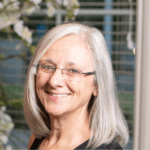 Dr. Gilbert is the Director of the Central California Center for Excellence in Nursing (CCCEN) at California State University, Fresno. With over 35 years of experience in healthcare, she has a rich background in both clinical practice and academia.
As a Certified Healthcare Simulation Educator – Advanced (CHSE-A), Marie is an expert in developing and facilitating simulation-based learning across academic and clinical settings. Her work, which includes research and publications, has contributed significantly to the field of nursing, nursing education and healthcare simulation.
Marie is a frequent presenter at state and national conferences and serves as an elected board member on the Society for Simulation in Healthcare (SSH) Board of Directors. She also contributes her expertise as a member of the American Association of Colleges of Nursing (AACN) Practice Scenario Sub-Group of the Essentials Assessment Work Group. Through her leadership and commitment to advancing simulation education, Marie continues to drive innovation in healthcare education and simulation practices.
Brian Hanlon, BS, CHSOS-A
 Brian Hanlon, Simulation Center Specialist, has over 7 years experience in Healthcare Simulation. With a background in videography, Brian brings a creative approach to the day-to-day operations of the Highland Hospital of Oakland’s Simulation Center. Brian enjoys the challenge of bringing a trauma scenario to life through the use of moulage (or special effects make-up).
Connie Lopez, MSN, CNS, RNC-OB, CPHRM, CHSE-A, FSSH
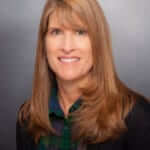 Connie Lopez is currently the Northern California Clinical Practice Consultant for the Regional Risk Management and Patient Safety team supporting perinatal and pediatric patient safety programs. She has 10 years’ experience leading Kaiser Permanente’s National Risk Education and Healthcare Simulation Programs and 17 years’ experience researching and implementing interactive educational programs in the clinical setting focused on improving the teamwork and communication of practicing clinicians. Connie has presented perinatal, patient safety and simulation related topics nationally and internationally over the past 13 years. She is a member of the Association for Nursing Professional Development, the Association of Women’s Health Obstetrics and Neonatal Nursing and the Society for Simulation in Healthcare and has chaired educational events at both national and international conferences. Connie holds several leadership positions including faculty for the Western States Simulation Alliance, Board Member At-Large for the Society for Simulation in Healthcare and Chair for an international National Patient Safety Advisory Board.
Juli Maxworthy, DNP, MSN/MBA, RN, CNL, CPHQ, CPPS, CHSE, FSSH
 Juli Maxworthy is an academic, innovator, and collaborator in the field of nursing practice, with the goal to use innovative practices and technology to improve health care delivery. Her 30 years in healthcare began as a critical care nurse in an open heart and trauma unit. After her last clinical position as VP of Quality and Risk at a District hospital, she made the leap into academia full time by accepting a tenure earning position at the University of San Francisco (USF), her alma mater. Her roles at USF have included teaching in the Doctor of Nursing Practice (DNP)/Executive Leadership DNP and Healthcare Simulation programs, Director of the Healthcare Simulation Program, and Chair of the Healthcare Leadership and Innovations Department. Dr. Maxworthy is currently the President-elect for the Society for Simulation in Healthcare (SSH). She has led the revision of accreditation standards on two occasions, is an accreditation Program reviewer, is one of the editors of the leading healthcare simulation textbook Defining Excellence in Simulation Programs, and has written multiple articles, chapters, and textbooks on a variety of subjects. In 2017, she was inducted into the inaugural class of the SSH Fellows Academy.
Pooja Nawathe, MD, FAAP, FCCM, CHSE-A, CHSOS
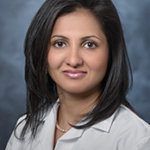 Dr. Pooja Nawathe is the medical director of simulation in the Department of Pediatrics. She is a Pediatric Critical Care Medicine physician by background and is the Associate Director of the Congenital Cardiac Intensive Care Unit (CCICU). She leads the development and introduction of educational programs for all staff in the pediatric ICU (physicians, nurses, respiratory therapists) with the Women’s Guild Simulation Center. She spearheads the development and implementation of multiple in situ PICU and CCICU curriculums, as well as collaborates with the subject matter experts on the pediatric floor, nursery and NICU to oversee their simulations. As a researcher she studies curriculum development for interprofessional education involving physicians, nursing, respiratory therapist, cardiac surgeon, perfusionist, anesthesiologists and pharmacists. Implementation of these programs has not only been positively received but has also impacted satisfaction scores in the staff but also identified latent safety threats and led to sustainable solutions at multiple levels. With recent certifications of CHSE-A, CHSOS and current designation of Fellow of American College of Critical Care Medicine (FCCM), she is committed to the ideals and practice of interprofessional critical care and its improvement through simulation-based interprofessional education. She serves on the Society of Simulation in HealthCare provisional site accreditation board of review, accreditation and certification council, inaugural CHSOS-A committee and Chair of the Pediatric Section. She is also the co-chair of the Society of Critical Care Medicine (SCCM) Research Section Simulation and Education Committee. She also is on the communications committee for INSPIRE (International Network for Simulation-based Pediatric Innovation, Research, & Education) and is a member of IPSS (International Pediatric Simulation Society).
Melissa Punnoose, MSN, RN-BC, CHSE, CHSOS
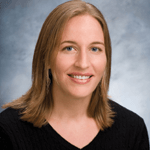 Melissa Punnoose is the Manager for Clinical Education at UCI Health, Fountain Valley. She is a certified healthcare simulation educator (CHSE) and experienced nurse leader with over 17 years of expertise in simulation-based education. She has designed and facilitated simulations for a diverse range of learners, including interprofessional teams, new graduate and experienced registered nurses (RNs), and prelicensure nursing students. Melissa is particularly passionate about training and mentoring novice simulationists. Her work focuses on promoting clinical competence, teamwork, and communication through immersive simulation experiences.
Melissa’s simulation training includes coursework from the Western States Simulation Alliance (WSSA), the Center for Advanced Pediatric and Perinatal Education (CAPE) at Lucile Packard Children’s Hospital, and the Center for Medical Simulation (CMS) at Harvard. She has presented her work at various local, national, and international conferences and currently serves as an abstract reviewer for the International Meeting on Simulation in Healthcare (IMSH). Additionally, Melissa is a faculty member for courses offered by the WSSA.
Jenna Reyes, EdD, MSN/ED, RN, PHN, CHSE
 Jenna Reyes, EdD, MSN/ED, RN, PHN, CHSE, graduated from The University of Alabama with a EdD in Nursing Education. She is passionate about nursing education and the development of clinical judgement to serve the development of nursing students. She has centered her overall research focus on the best practices for supporting and developing nursing students’ ability to practice the art of science of nursing through improved educational practices. Thus, her research focus has included mentoring of nursing students, development of effective study techniques for test success, educational tools to support the development of clinical judgement, including concept mapping and all methods of simulation.
Throughout Dr. Reyes’s career she has spent several years working with students to develop their nursing skills. She has worked in simulation for the past 7 years serving as the regional director of skills and simulation labs, overseeing the development and implementation of simulation pedagogies that best support the development of nursing students. She developed and implemented the current virtual simulation process used at Azusa Pacific University’s School of Nursing to supplement the nursing education processed during the worldwide pandemic in 2020.
Reyes currently serves at Azusa Pacific University’s School of Nursing as the department Chair of the MSN Nursing Education Department while maintaining the simulation lab at the San Diego Regional campus and as part of the simulation team that oversees the experiential learning experiences in the school of nursing.
Cynthia M. Shum, DNP, MEd, RN, CHSE-A
 Cynthia M. Shum is the Nurse Educator and Simulationist at the VA hospital in Palo Alto. In this position she is responsible for the operations of the center, facilitation of simulation activities throughout the hospital and development of new uses for simulation activities.Dr. Shum received her DNP at USF studying faculty development in healthcare simulation under the supervision of Dr. KT Waxman. She obtained her undergraduate degree in 1987 from Dalhousie University in Halifax, Canada and a Master’s degree in Education with a focus on Measurement and Evaluation and specifically research methodologies in 1991. Dr. Shum is an adjunct faculty at USF and presents at numerous simulation conferencees.
Kimberly Sokol, MD, MS, MACM
 Dr. Kimberly Sokol is an emergency medicine physician, simulation educator, and nationally engaged leader in academic medicine. She serves as the Director of Medical Simulation at Kaweah Health Medical Center and as an Adjunct Clinical Assistant Professor of Emergency Medicine at the University of Southern California.
With fellowship training in simulation and a Master of Academic Medicine, Dr. Sokol brings broad expertise in building and sustaining scalable simulation programs across graduate and undergraduate medical education. She has led multidisciplinary simulation initiatives across emergency medicine, surgery, anesthesia, psychiatry, and family medicine, and has supported interprofessional teams, with a focus on operational infrastructure, faculty development, and learner-centered debriefing.
A frequent national presenter at IMSH, CORD, SAEM, and ACEP, Dr. Sokol’s work centers on strengthening simulation design, integrating telesimulation, advancing educational scholarship, and promoting program sustainability. She serves in leadership roles within the Council of Residency Directors (CORD) and the SAEM Simulation Academy, contributing to broader national toolkits and best-practice frameworks that advance simulation education across institutions.
Aligned with WSSA’s mission to expand simulation excellence through multi-state collaboration and strategic partnerships, Dr. Sokol is passionate about advancing high-quality, evidence-informed simulation programming that strengthens workforce readiness and improves patient care outcomes.
Lisa Steele, DBA, MPH, CHSE
 Lisa Steele is a highly accomplished leader in healthcare education and simulation, boasting over 13 years of experience in organizational strategy and change management. As a Simulation and Human Capital Strategist, her philosophy is straightforward: achieve excellence through people, culture, and processes, ensuring all simulation-based education (SBE) initiatives not only meet but exceed best practice standards.
Dr. Steele’s strategic vision is supported by her proven ability to lead in high-growth environments. She successfully directed the organizational restructuring of the Pacific Northwest University (PNWU) simulation center, resulting in a 350% increase in utilization over an eight-year period. She has expertise in developing and implementing strategic plans, managing multi-million-dollar budgets, and securing essential accreditation, including the inaugural ASPE accreditation in human simulation from this international organization.
Her unique strength is at the intersection of process-driven change and human-centered development. Holding a Doctor of Business Administration (DBA) in Organizational Leadership, her research focused on how implementing a change model can positively influence attitudes toward change. This specialization enables her to navigate complex institutional dynamics and foster a positive team culture where conflict is viewed as an opportunity for growth. This is evident in her strong foundation in human capital development, which she has built by leading large teams of Simulated Patients (SPs) and staff.
As a Certified Healthcare Simulation Educator (CHSE) and an active member of professional organizations, Dr. Steele is dedicated to advancing the field. She currently serves as a board member for the Association of SP Educators (ASPE), an international organization. Additionally, she actively presents and participates in the Society for Simulation in Healthcare (SSH) and the Western States Simulation Alliance (WSSA). Dr. Steele is a strategic leader well-equipped to drive organizational excellence and innovation within the WSSA network.
Heidi Traxler, MSN, RN-CHSE
 Heidi Traxler, MSN, RN-CHSE is the Regional Director of Clinical Simulation at Providence St Joseph Health System Southern California. She coordinates and manages the Simulation Programs, including Transition into Practice Simulation, Nursing Simulation, Specialty-Specific Simulation, Interprofessional Simulation and NODA (No One Dies Alone) Simulation. Her simulation faculty training (orientation) includes courses taught by the Western States Simulation Alliance, Lucille Packard Children’s Hospital Center for Advanced Pediatric and Perinatal Education (CAPE), and Harvard’s Center for Medical Simulation (CMS). She has also attended conferences put on by INACSL, SSIH, and ASPE. Heidi has been a podium presenter at several simulation conferences internationally, statewide and regionally. She is a member of the WSSA (Western States Simulation Alliance), SCSA (Southern California Simulation Alliance), INASCL, and SSIH (Society of Simulation in Healthcare). She has been an abstract reviewer for the International Meeting for Simulation in Healthcare (IMSH) yearly since 2013.
Elizabeth Vega-Belluscio, DNP, RN, CNE, CHSE
Dr. Vega-Belluscio practiced in labor and delivery for twelve years before transitioning into academia, where she became a lecturer in an Associate Degree nursing program and served as Skills and Simulation Lab Coordinator. She later earned her Master of Science in Nursing with a specialization in Nursing Education and completed her Doctor of Nursing Practice at Union University. She is a Certified Nurse Educator (CNE) and Certified Healthcare Simulation Educator (CHSE).
Within WSSA, Dr. Vega-Belluscio teaches the Simulation Operations Course, equipping simulation professionals with the competencies required to implement and provide high-quality simulation activities through effective application of technology, systems coordination, and operational best practices. Her expertise bridges technical execution with educational excellence, enabling scalable, sustainable simulation infrastructure.
Dr. Vega-Belluscio is an active member of the National League for Nursing, the Society for Simulation in Healthcare, the International Nursing Association for Clinical Simulation and Learning (INACSL), and SimGHOSTS. She also serves as a reviewer for the Journal of Christian Nursing and contributes institutionally through committee service and IRB participation.
Aligned with WSSA’s strategic priority to partnership development, operational excellence, and multi-state collaboration, Dr. Vega-Belluscio is passionate about strengthening the foundation of simulation programs to advance workforce readiness and improve clinical outcomes.
Amy Vermillion, EdD, MSN, RN, FNP, CHSE
 Dr. Amy Vermillion is a Professor and Director, Simulation & Learning Labs at Riverside City College (RCC). Amy has helped to guide the School of Nursing through reimagining simulation and achieving accreditation through the Society for Simulation in Healthcare (SSH). Amy has served as a resource to several community college programs in the Inland Empire. Amy has spearheaded interprofessional education activities with five different interprofessional disciplines at different institutions to improve patient outcomes in the Inland Empire. Amy obtained her Doctor of Education with an emphasis in Curriculum and Instruction from the University of Phoenix (2020) and a Master of Science in Nursing – Family Nurse Practitioner from the University of San Diego (2002). Amy is nationally certified from SSH as a Certified Healthcare Simulation Educator (CHSE). She currently serves as a co-chair for the WSSA Inland Empire Simulation Collaborative and is an active member of WSSA, INACSL, and SSH.